
Introduction
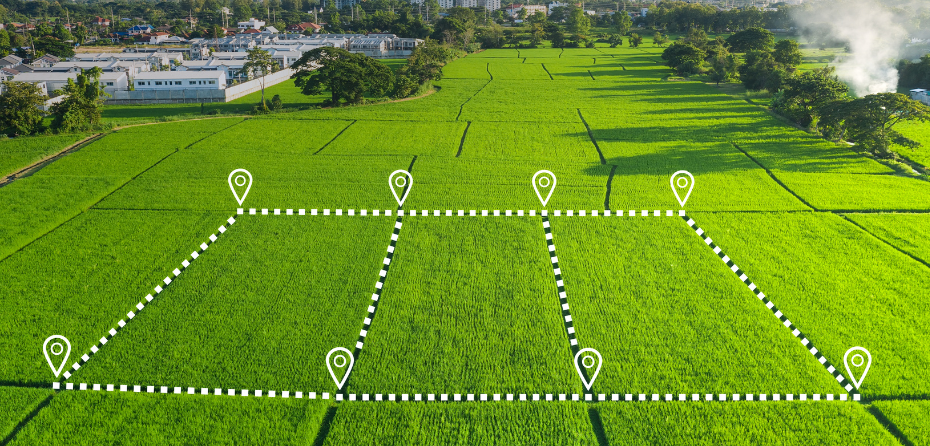
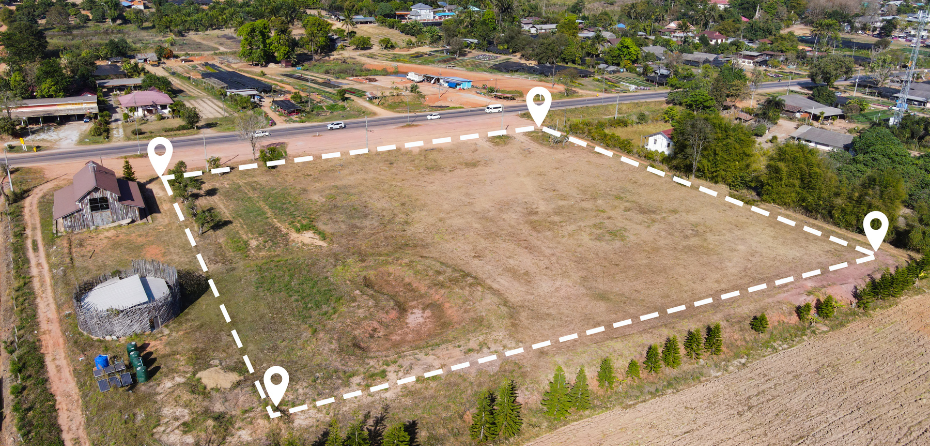
"Land Geo-Fencing Services involve the creation of virtual boundaries on geographical land areas to monitor and manage activities within those areas."
Creating Geofences:
- Defining Boundaries:Users specify the geographical boundaries of the land area using GPS coordinates or mapping tools.
- Customization: Geofences can be customized in terms of size and shape to suit the specific needs of the application.
Applications of Land Geo-Fencing:
- Real Estate: In real estate, it can be used to monitor property boundaries, track asset movement, and provide location-based services to potential buyers.
- Agriculture: In agriculture, it helps in monitoring crop fields, tracking livestock, and automating irrigation systems within defined areas.
- Logistics and Delivery: Geo-fencing is used to optimize delivery routes, track vehicles, and trigger notifications when shipments arrive at specific locations.
- Security: In security, it can be used to monitor restricted areas, detect intrusions, and trigger alarms when unauthorized entry occurs.
- Marketing:For marketing purposes, businesses can use geofencing to send location-based promotions and advertisements to users within a defined area.
Tracking and Monitoring:
- Real-Time Tracking: Geofencing services can provide real-time tracking of assets or mobile devices within the defined boundaries.
- Historical Data: Users can access historical data to analyze movement patterns and trends within the geofenced area.
Conclusion:
Land Geo-Fencing Services offer a versatile tool for location-based tracking and automation, with applications across various industries."
When properly implemented and managed, geofencing can enhance efficiency, security, and user engagement in a wide range of scenarios.